
Turn you your home into a Greenhouse!
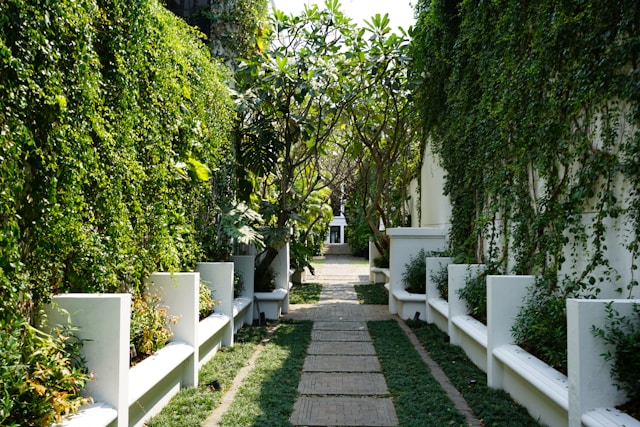
We Help you in Gardening
Gardening is more than just a pastime; it is a therapeutic practice that connects us deeply with the natural world. Whether you are tending to a sprawling backyard or managing a modest collection of container gardens, the process begins with proper planning. Understanding your local hardiness zone is essential for selecting plants that will thrive in your specific climate.
The foundation of every healthy garden is soil quality. Amending the earth with organic compost provides the nutrients necessary for robust growth. Once planted, consistency is key. Establishing a regular watering schedule and ensuring adequate sunlight exposure are vital for plant health. Gardeners must also practice vigilance regarding pest management, often opting for natural solutions to protect their crops without harming the environment.
Inviting pollinators like bees and butterflies enhances the ecosystem, boosting the yield of flowers and vegetables alike. Ultimately, the hard work pays off during the harvest season. The satisfaction of tasting homegrown produce or admiring fresh blooms offers a sense of accomplishment that store-bought goods cannot match. By embracing sustainability and patience, gardening transforms a simple plot of land into a vibrant, living sanctuary.
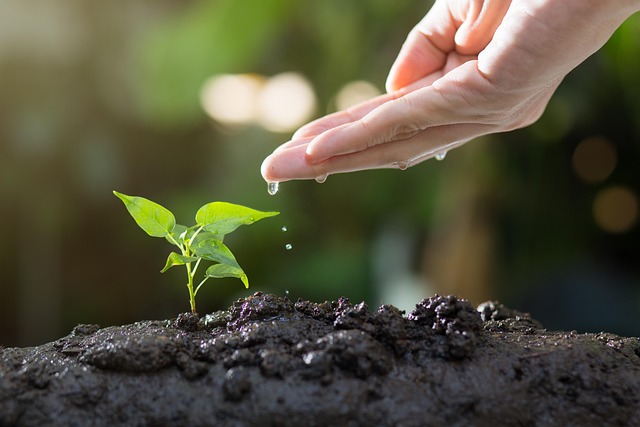
About Gardening
Introduction
Gardening is one of humanity’s oldest professions and most beloved pastimes. It is a bridge between the wildness of nature and the comfort of the home. But what exactly is it? Is it art? Is it science? Is it survival? The answer is that it is all of these things combined. Below, we explore the depths of gardening through a detailed Question and Answer format, covering everything from its ancient roots to its modern applications.
Q1: What is gardening and how does it differ from farming?
At its core, gardening is the practice of growing and cultivating plants as part of horticulture. In gardens, ornamental plants are often grown for their flowers, foliage, or overall appearance; useful plants, such as root vegetables, leaf vegetables, fruits, and herbs, are grown for consumption, for use as dyes, or for medicinal or cosmetic use.
While both gardening and farming involve the cultivation of crops, the distinction lies in scale and intent. Farming (agriculture) is generally done on a large scale, focused on the mass production of food, feed, or fiber for sale in a market economy. It relies heavily on mechanization and maximizing yield per acre.
Gardening, conversely, is usually smaller in scale and is often primarily for the personal pleasure, consumption, or aesthetic satisfaction of the gardener. It is a labor of love rather than purely a labor of profit. It involves a closer, more hands-on relationship with the ecosystem of a specific plot of land, whether that is a sprawling estate or a small urban balcony.
Q2: What is the history of gardening? Where did it all begin?
The history of gardening is as old as the history of civilization itself. It marks the transition of humans from nomadic hunter-gatherers to settled communities.
The Origins (Pre-History to Ancient Times):
The earliest form of gardening was likely forest gardening, a prehistoric method of securing food in tropical areas where useful tree and vine species were identified, protected, and improved. As civilizations emerged, so did the concept of the “enclosed garden.” In fact, the word “paradise” comes from the Old Persian pairidaeza, meaning a “walled garden.”
Ancient Civilizations:
- Egypt: Wealthy Egyptians created walled gardens with trees and pools to escape the desert heat. They cultivated grapevines for wine and acacias for shade.
- Mesopotamia: The most famous ancient example is the Hanging Gardens of Babylon, one of the Seven Wonders of the Ancient World, which showcased advanced irrigation systems (terracing) to keep plants alive in an arid climate.
- Rome: The Romans were masters of ornamental gardening. They introduced topiary (clipping hedges into shapes), statues, and fountains, viewing the garden as an extension of the living space.
The Middle Ages to the Renaissance:
During the Middle Ages in Europe, gardening retreated behind the walls of monasteries. These monastic gardens were practical, focusing on medicinal herbs, vegetables, and flowers for the altar.
The Renaissance brought a revival of the artistic garden. Italian villas featured elaborate geometries and water features. This evolved into the grand French style, epitomized by the Gardens of Versailles, which focused on imposing order over nature through symmetry and vast lawns.
The 19th and 20th Centuries:
The Victorian era saw an explosion of interest in botany. Plant hunters traveled the globe to bring back exotic species, leading to the diverse plant palettes we have today. The 20th century introduced the “Victory Garden” during the World Wars, where citizens grew their own food to support the war effort, reinforcing the link between gardening and food security.
Q3: Why is gardening important for the environment?
In an era of climate change and urbanization, gardening is not just a hobby; it is an act of environmental stewardship.
Carbon Sequestration:
Every plant in a garden absorbs carbon dioxide (CO2) from the atmosphere and releases oxygen. Trees, shrubs, and even healthy soil act as carbon sinks, helping to mitigate the effects of global warming.
Supporting Biodiversity:
Urban environments often strip away natural habitats. Gardens act as critical oases for wildlife. By planting native species, gardeners provide food and shelter for pollinators like bees, butterflies, birds, and beneficial insects. This helps combat the alarming decline in global insect populations.
Soil Health and Erosion Control:
Bare soil is prone to erosion by wind and water. Ground cover plants and deep root systems hold the soil together. Furthermore, gardeners who practice composting reduce the amount of waste sent to landfills. By turning kitchen scraps into nutrient-rich soil, they close the loop in the nutrient cycle.
Water Management:
Gardens can help manage stormwater runoff. Rain gardens, specifically designed to absorb excess water, prevent pollutants from washing into city sewer systems.
Q4: What are the physical and mental health benefits of gardening?
Gardening is often prescribed as a form of “green prescription” by modern medical practitioners due to its holistic benefits.
Mental Health and Stress Reduction:
There is a concept known as biophilia, which suggests humans have an innate tendency to seek connections with nature. Gardening lowers levels of cortisol (the stress hormone). The bacteria Mycobacterium vaccae, found in garden soil, has been linked to increased serotonin production, which regulates mood. This is why horticultural therapy is used to treat depression, anxiety, and PTSD.
Physical Exercise:
Gardening is a moderate-intensity physical activity. Digging, raking, planting, and weeding burn calories and strengthen muscles. It improves dexterity and hand strength. Furthermore, exposure to sunlight (in moderation) boosts Vitamin D levels, which are essential for bone health and immune system function.
Nutritional Benefits:
There is a tangible nutritional difference between store-bought produce and homegrown food. Fruits and vegetables begin to lose nutrients the moment they are harvested. Eating food minutes after picking it ensures maximum vitamin retention. Plus, gardeners are more likely to eat a diet rich in fresh produce simply because it is available.
Q5: What are the different types of gardening?
Gardening is versatile. It can be adapted to any climate, space, or goal. Here are the most prominent types:
1. Vegetable/Kitchen Gardening:
The most functional form, focused on growing edible crops. This can range from a few pots of tomatoes to a full sustenance farm.
- Keywords: Crop rotation, companion planting, heirloom varieties.
2. Ornamental Gardening:
Focused on aesthetics. This includes flower gardens, shrubberies, and specimen trees. The goal is visual beauty and scent.
- Keywords: Perennials, annuals, landscape design, curb appeal.
3. Container Gardening:
Ideal for urban dwellers with limited space (balconies or patios). Plants are grown in pots, planters, or hanging baskets.
- Keywords: Potting mix, drainage, space-saving, mobility.
4. Raised Bed Gardening:
Soil is enclosed in containment units (wood, stone, or concrete) above the ground. This prevents soil compaction, provides better drainage, and warms the soil earlier in the spring.
- Keywords: Ergonomic, intensive planting, soil control.
5. Vertical Gardening:
Growing plants upwards using trellises, walls, or stacked planters. This is a solution for small spaces and serves as a natural cooling system for buildings.
- Keywords: Green walls, climbers, hydroponic towers.
6. Hydroponics and Aquaponics:
Soil-less gardening. Hydroponics uses nutrient-rich water solutions, while aquaponics combines fish farming with plant growing (fish waste fertilizes the plants).
- Keywords: Water efficiency, indoor gardening, tech-driven.
7. Xeriscaping:
Gardening designed for areas that are susceptible to drought or for water conservation. It utilizes drought-tolerant plants like succulents and cacti.
- Keywords: Drought-tolerant, water conservation, low maintenance.
8. Organic Gardening:
A philosophy that avoids synthetic fertilizers and pesticides. It relies on natural ecosystem management, composting, and biological pest control.
- Keywords: Sustainability, non-GMO, ecological balance.
Q6: What are the “Good Things” (Social and Economic impacts) of gardening?
Beyond the individual and the environment, gardening ripples out to benefit society as a whole.
Community Building:
Community gardens are shared plots of land where people gather to grow food. They revitalize neighborhoods, reduce crime by turning vacant lots into vibrant spaces, and foster social connections across generations and cultures. They serve as outdoor classrooms where knowledge is passed from elders to youth.
Economic Savings:
While there is an initial investment in tools and seeds, a well-maintained garden yields a high return on investment (ROI). Growing high-value crops like herbs, berries, and tomatoes can significantly reduce grocery bills. Furthermore, a well-landscaped home can increase property value by up to 15%.
Education and Child Development:
For children, a garden is a living laboratory. It teaches them about the life cycle, where food comes from, responsibility, and patience. Studies show that children who grow their own vegetables are more likely to eat them, establishing healthy eating habits for life.
Q7: How does one start gardening? What are the essentials?
Starting a garden can be intimidating, but it breaks down into a few fundamental elements.
1. Know Your Zone:
Understanding your USDA Hardiness Zone (or local equivalent) is crucial. This dictates which plants can survive your region’s coldest winter temperatures.
2. Soil Preparation:
Soil is the lifeblood of the garden. Most soil needs amending. Adding organic matter like compost, peat moss, or manure improves texture and nutrient content. Testing soil pH helps you understand if your ground is acidic or alkaline.
3. Sun and Water:
Most vegetables and flowering plants require “full sun” (at least 6-8 hours a day). Assessing the sunlight exposure in your yard is the first step in design. Similarly, access to a water source is vital. Installing drip irrigation or soaker hoses can save time and water.
4. The Right Tools:
You do not need a shed full of gear, but quality basics are essential:
- Trowel: For digging small holes.
- Pruners: For trimming and harvesting.
- Hoe/Rake: For weeding and moving soil.
- Gloves: For protection against thorns and blisters.
Q8: What are the challenges in gardening and how are they overcome?
Gardening is not without its battles. It is a partnership with nature, and nature can be unpredictable.
Pests and Disease:
Insects like aphids, slugs, and beetles can decimate crops. Fungal diseases like powdery mildew can ruin foliage.
- Solution: Integrated Pest Management (IPM). This involves physical barriers (netting), encouraging natural predators (ladybugs), and using organic sprays (neem oil) only when necessary.
Weeds:
Weeds compete with crops for nutrients and water.
- Solution: Mulching. Applying a layer of straw, wood chips, or leaves over the soil blocks sunlight from weed seeds and retains soil moisture.
Climate Fluctuation:
Unexpected frosts or heatwaves.
- Solution: Using season extenders like cold frames, row covers, or greenhouses to protect vulnerable plants.
Conclusion
Gardening is a profound act of hope. It involves planting a seed with the faith that the future will arrive to see it bloom. Whether you are tending to a permaculture food forest, a manicured English garden, or a single basil plant on a windowsill, you are participating in a timeless tradition.
The importance of gardening cannot be overstated. It heals the body through movement and nutrition; it soothes the mind through connection and peace; it restores the planet through carbon absorption and biodiversity; and it strengthens communities through shared labor and harvest.
In a world that is increasingly digital and disconnected, putting your hands in the dirt grounds you. It reminds us of the cycles of life, the value of patience, and the incredible power of nurturing growth. Gardening is not just about growing plants; it is about growing ourselves.